From the speed of Daytona to the deck of a WWII warship and the silent roar of historic aircraft — a journey that reminded us why exploring never gets old.
Some trips feel like a vacation. Others feel like a history class with your feet in motion. This one was the second kind. We explored three places in Florida that, without meaning to, ended up telling the same story from different angles: the human obsession with going faster, reaching farther, and building things that defy what seems possible.
Daytona International Speedway: speed as religion
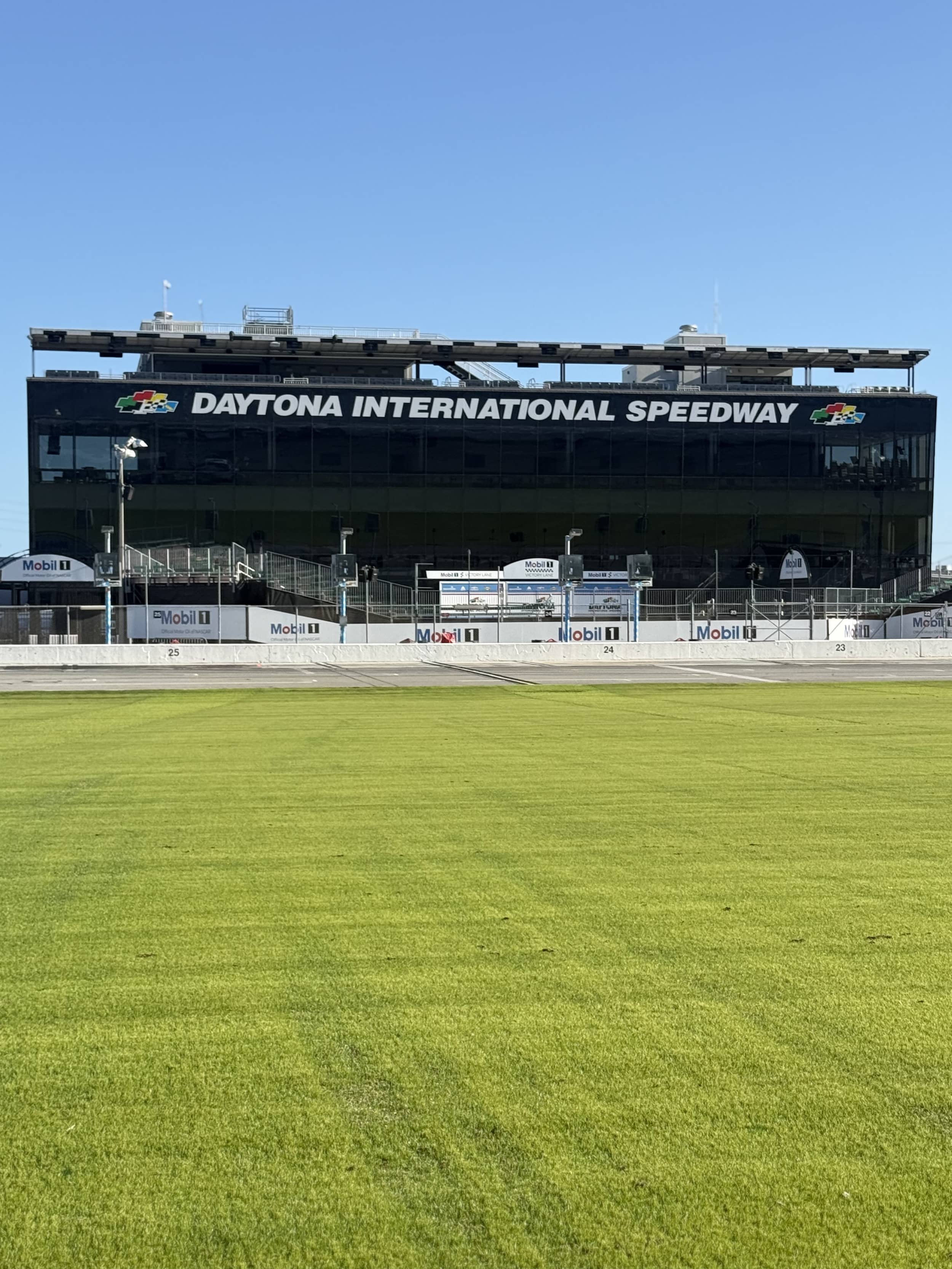
Standing in front of the grandstands at Daytona International Speedway is impressive, even without a single car on the track. The empty asphalt, the perfectly trimmed grass, the steep banking of the turns — everything carries a quiet energy, as if the place were breathing anticipation even on a day without a race.
Walking through it made us realize something we did not expect: speed, when studied up close, is pure engineering. Every banked curve, every meter of track, is designed with a precision that is hard to appreciate watching a race on TV. You have to stand there, on that grass, to really understand it.
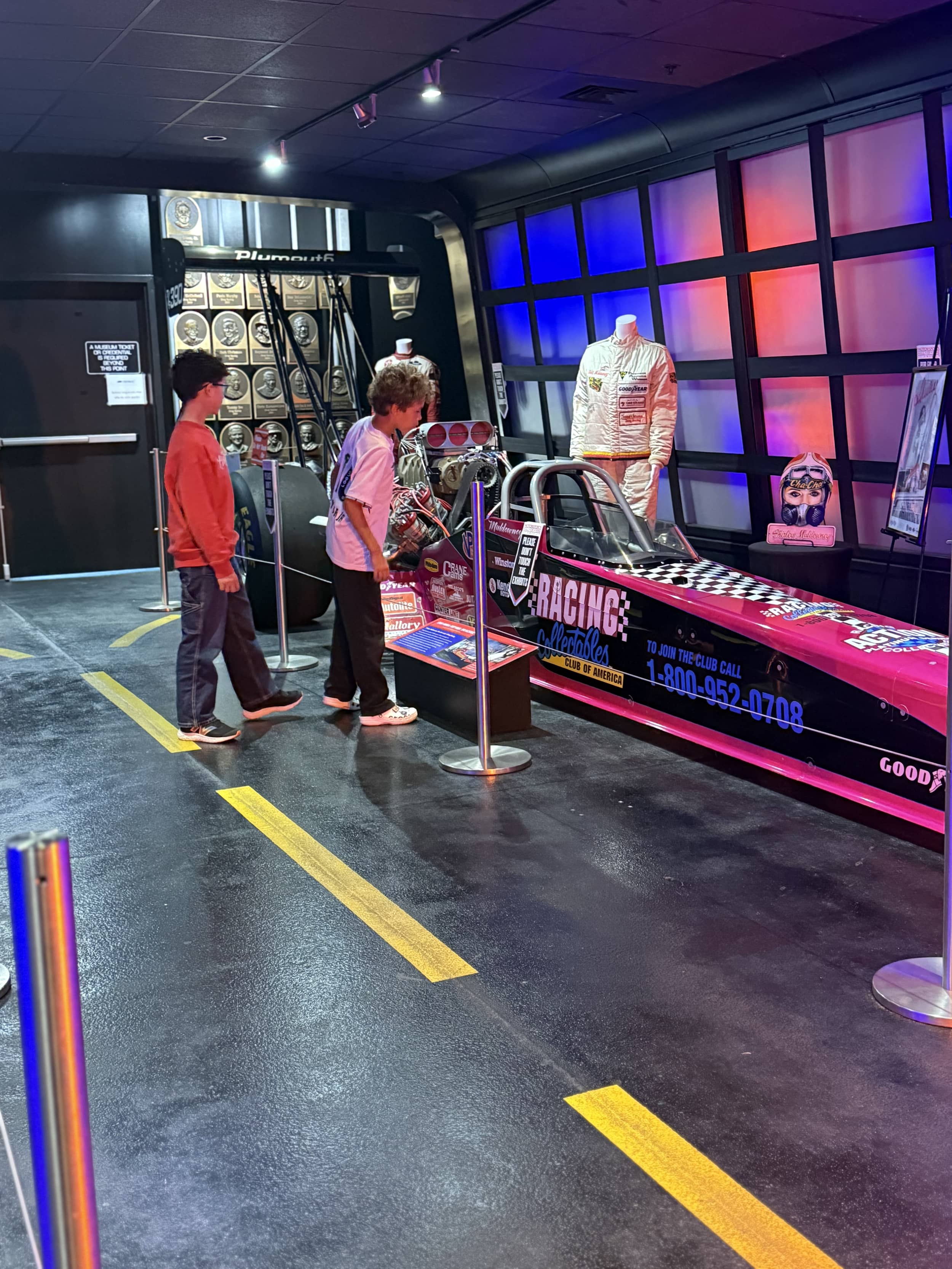
We also explored a section dedicated to drag racing, with brightly painted race cars and driver suits displayed alongside commemorative plaques honoring legends of the sport. Speed showed up again as a central theme — this time on four wheels instead of wings.
A ship that crossed the Atlantic — and history itself
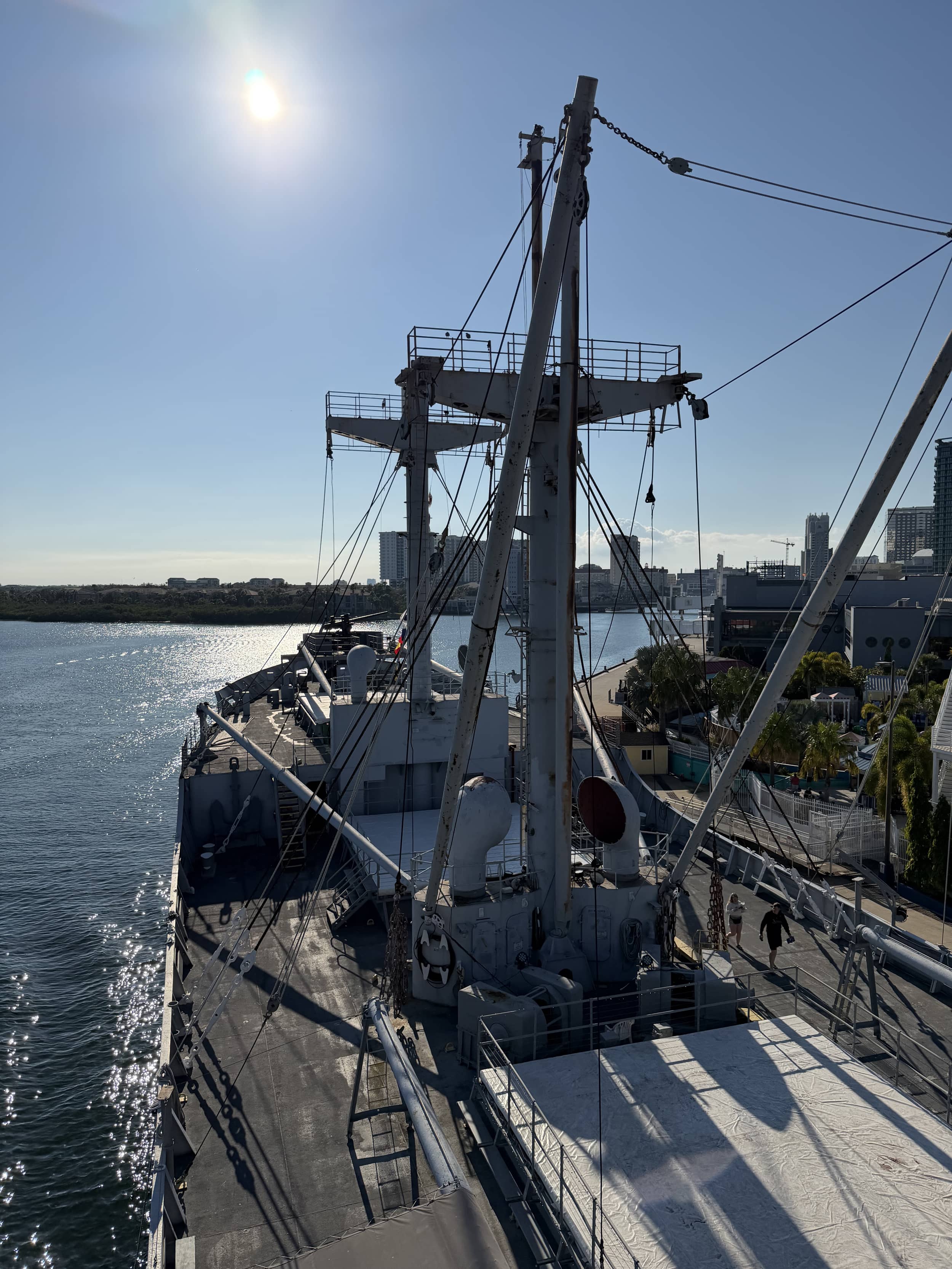
From ground speed, we moved on to the weight of naval history. The American Victory Ship & Museum, in Tampa, welcomed us with the quiet grandeur of a vessel that served in World War II and still stands today, open, as living testimony.
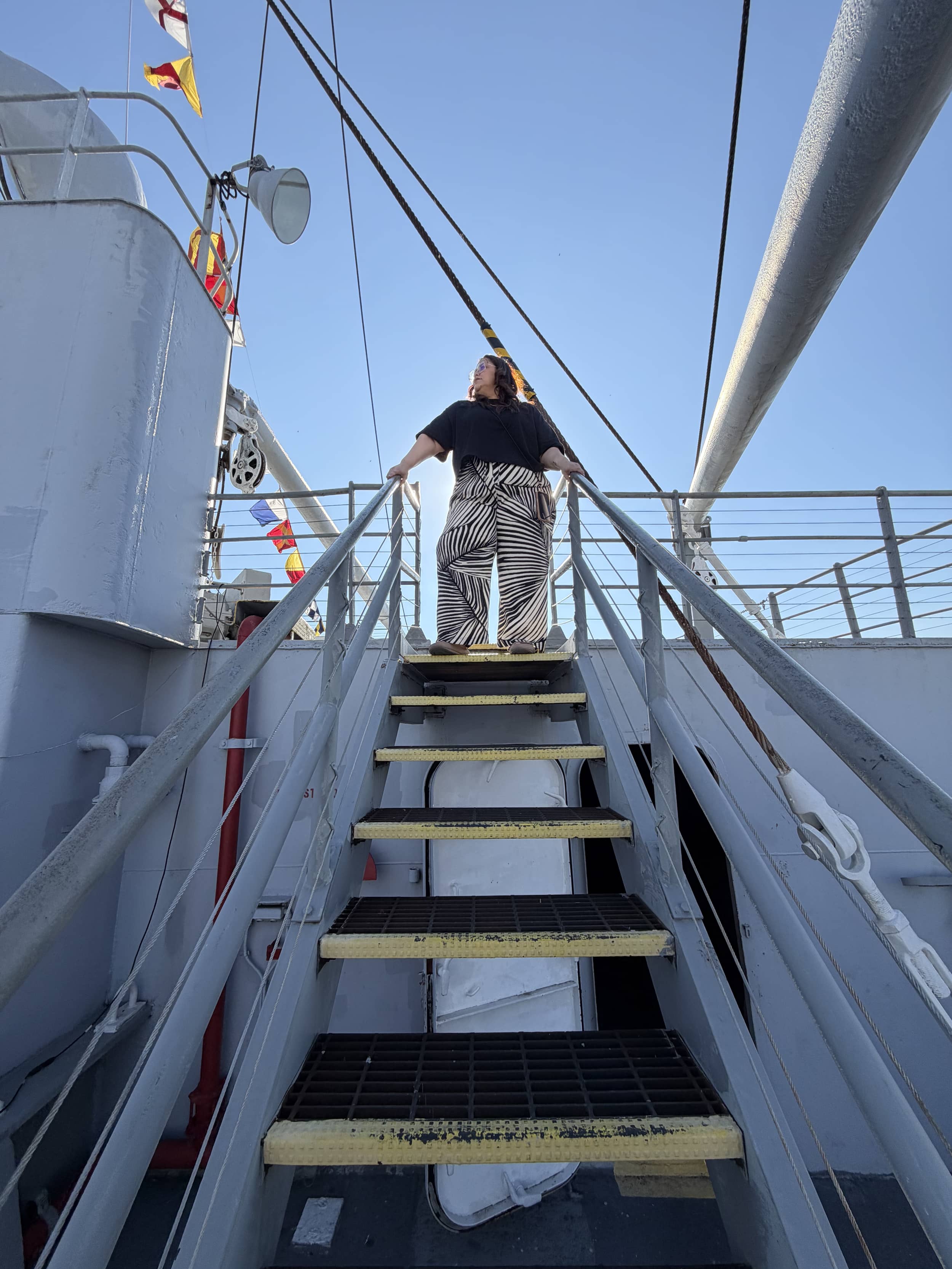
Climbing its metal stairs, walking among cables, masts, and signal flags, was a different kind of museum experience. There are no glass cases separating you from the object — the object is the entire place. Every rusted step, every coiled rope, every handrail worn down by years of real use tells a story that needs no written explanation: you can feel it in the structure itself.
From the upper deck, with Tampa Bay and the city skyline in the background, we understood something simple yet powerful: this ship connected continents in an era without internet, without GPS, without the ability to send a quick message saying "we made it." Just determination, engineering, and crew.
Wings that tell a century of history
The Florida Air Museum, in Lakeland, was probably the biggest surprise of the trip. It is not a single museum — it is a collection of hangars and exhibits spanning from World War I biplanes to Soviet-era fighter jets.
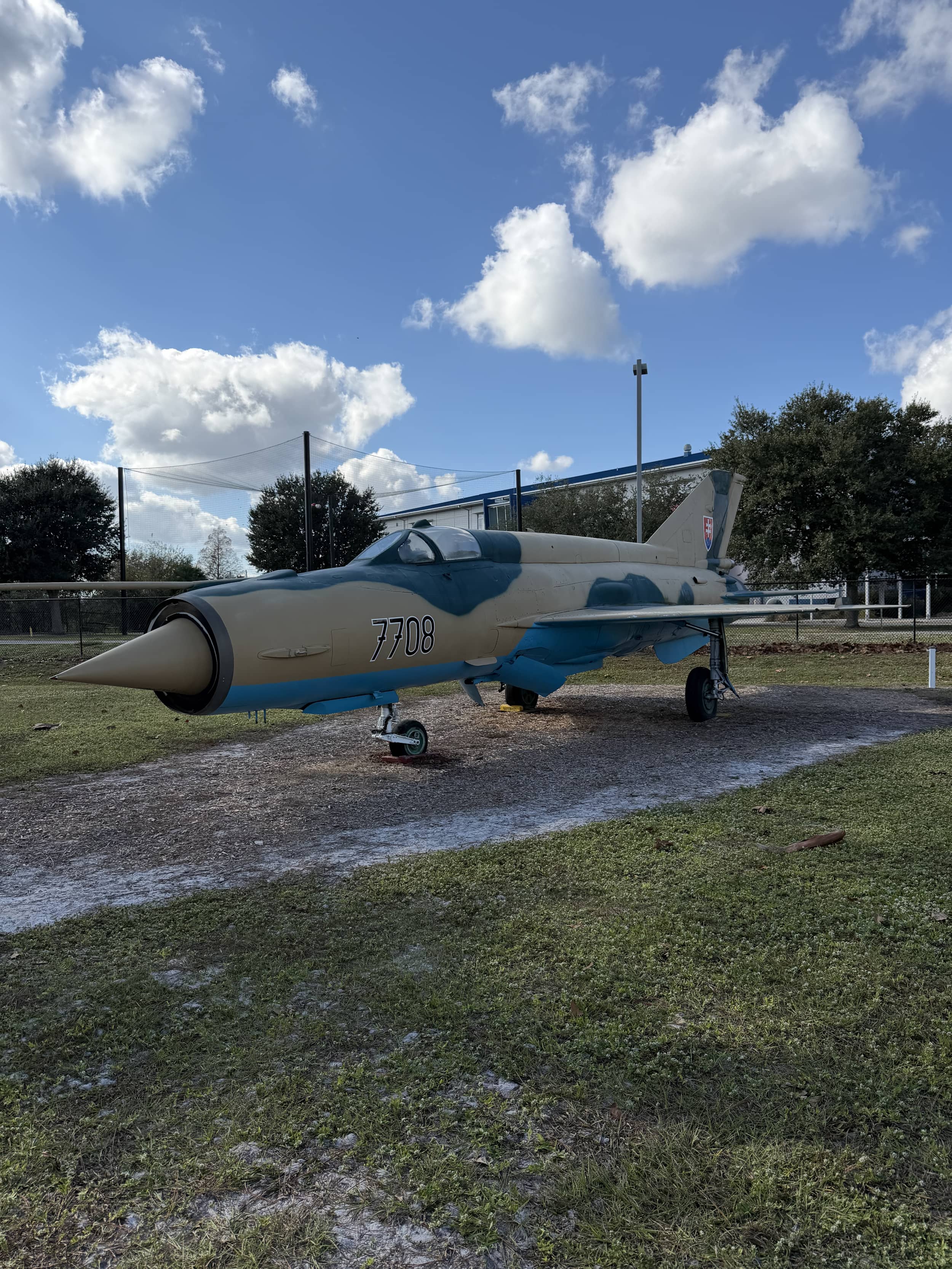
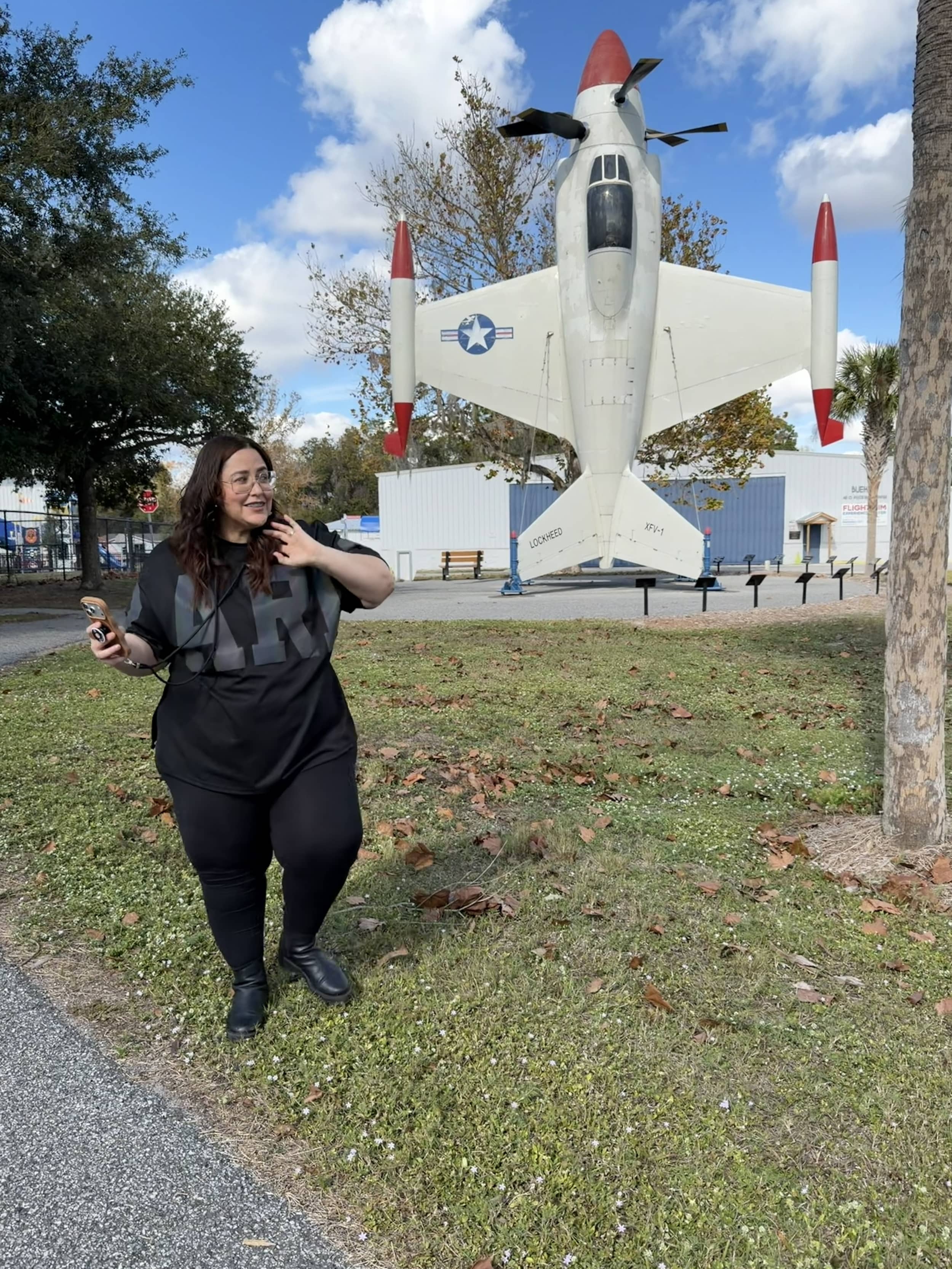
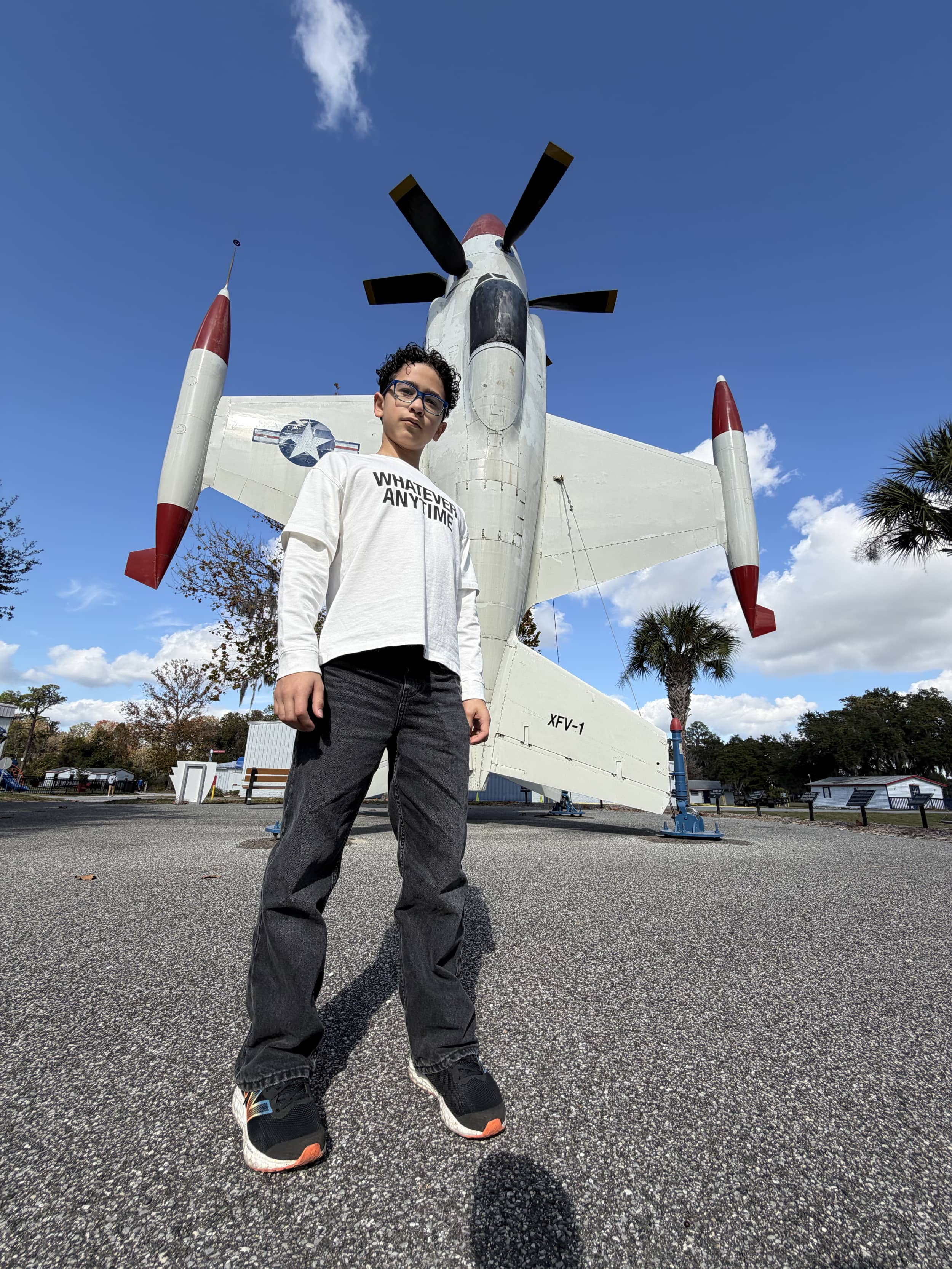
Seeing a MiG-21 up close, with its distinctive camouflage and military tail number, parked on the grass under the Florida sun, is a reminder that modern aviation was born from constant trial and error — from strange prototypes like the Lockheed XFV-1, an experimental aircraft designed for vertical takeoff, which today hangs suspended like an almost futuristic piece despite being decades old.
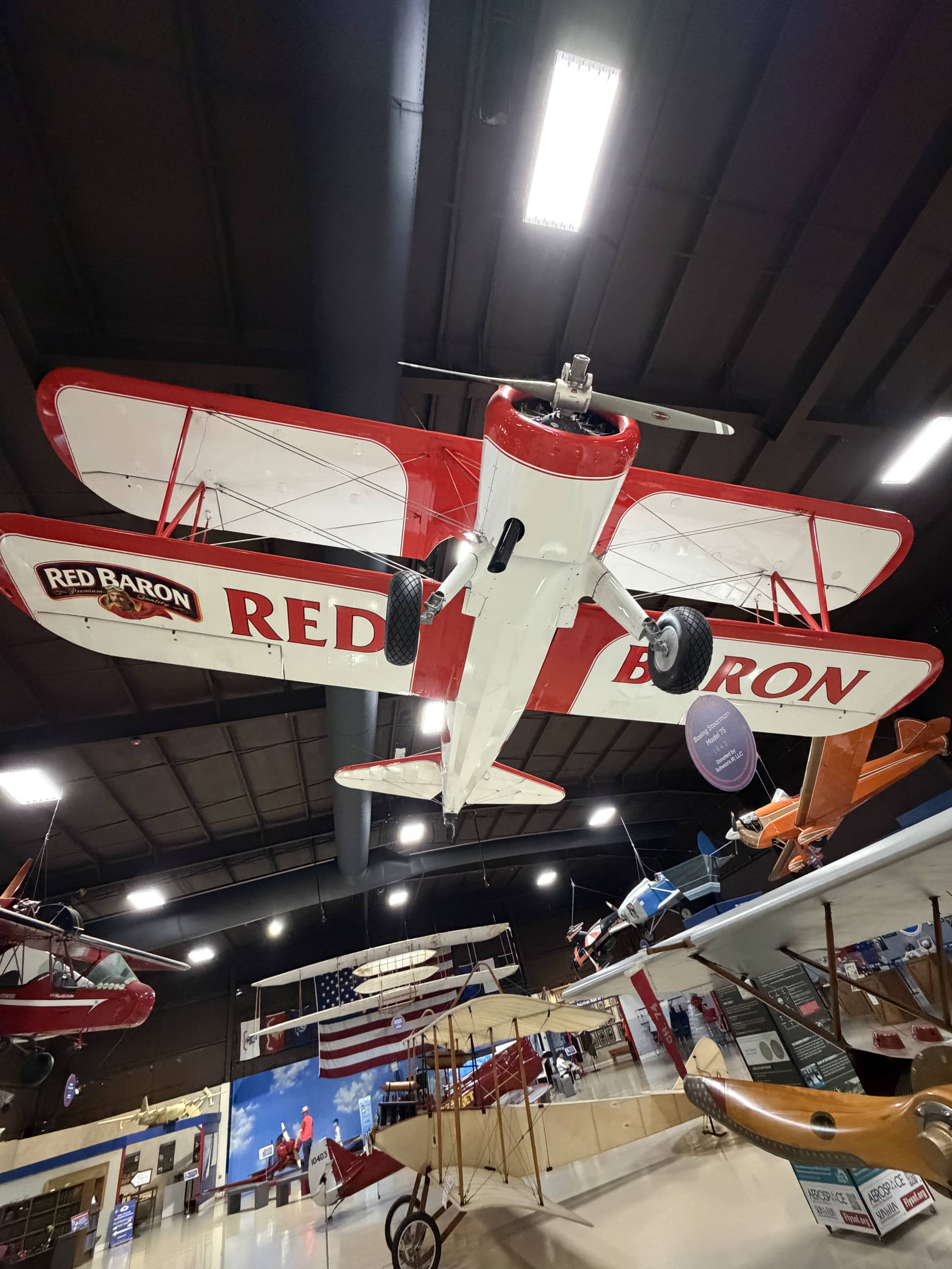
Inside, hanging from the ceiling of the main hangar, the iconic Red Baron biplane — painted in bright white and red — reminded us that before commercial airliners, before jets, there were people brave enough to climb into a frame of wood and fabric and defy gravity for the very first time.
What a trip like this leaves you with
Discovering new places is not just about collecting photos or checking destinations off a map. It is about exposing yourself to different ways of thinking, building, and solving problems. Each museum we visited represented an era with its own technological limits — and yet, in every single one, the human response was the same: push past what once seemed impossible.
Traveling this way, pausing to learn the real history of a place, changes how you see the world once you get back home. It makes you more curious. It makes you ask questions that never crossed your mind before.
Connected at every stop along the way
None of these places guarantee signal in every corner — large hangars, the decks of historic ships, and racetrack parking lots are not always friendly to traditional mobile coverage. That is why traveling with reliable data makes all the difference.
Being able to send that photo of the MiG-21 in the moment, share the video from the ship's deck, or simply send a quick message saying "look where we are" — that is what turns a sightseeing trip into a shared experience with the people who could not travel with you.
With Kirapp eSIM, that connection is already taken care of the moment you set foot somewhere new. No relying on the museum's WiFi, no hunting for a store to buy a physical SIM, no missing the chance to capture and share the exact moment you are living something worth remembering.
Because in the end, trips are not just lived — they are also told. And to tell them well, you need to be connected.
Ready to travel connected?
Get your eSIM plan for 150+ countries. Instant activation. No roaming fees.
Find my plan →